
Choosing the Right Ring Material
I’m a metal head! Let’s Talk About Gold and Platinum
One of the most common conversations I have with clients isn’t about design at all — it’s about metal. Not in a technical, intimidating way, but in a very real, human one: How will it look on my skin? Will it last? Is it right for my life?
So let’s simplify things and talk honestly about three metals I work with most often: 9kt gold, 18kt gold, and platinum.
9kt Gold: Everyday Resilience
9kt gold contains 37.5% pure gold, with the rest made up of stronger metals, like Silver and Copper, that give it durability. Benefits are that 9kt gold is tougher and more resistant to scratching and bending. From a real-life standpoint, it means you can wear it without constantly thinking about it.
This is usually where the conversation shifts. People assume “lower karat” means lower quality, but quality isn’t just purity — it’s appropriateness. If you live actively, work with your hands, travel often, or simply want jewellery that becomes part of your routine rather than something you take off, 9kt gold makes sense. The advantage here is resilience. The benefit is freedom. You wear it, live in it, and let it do its job quietly.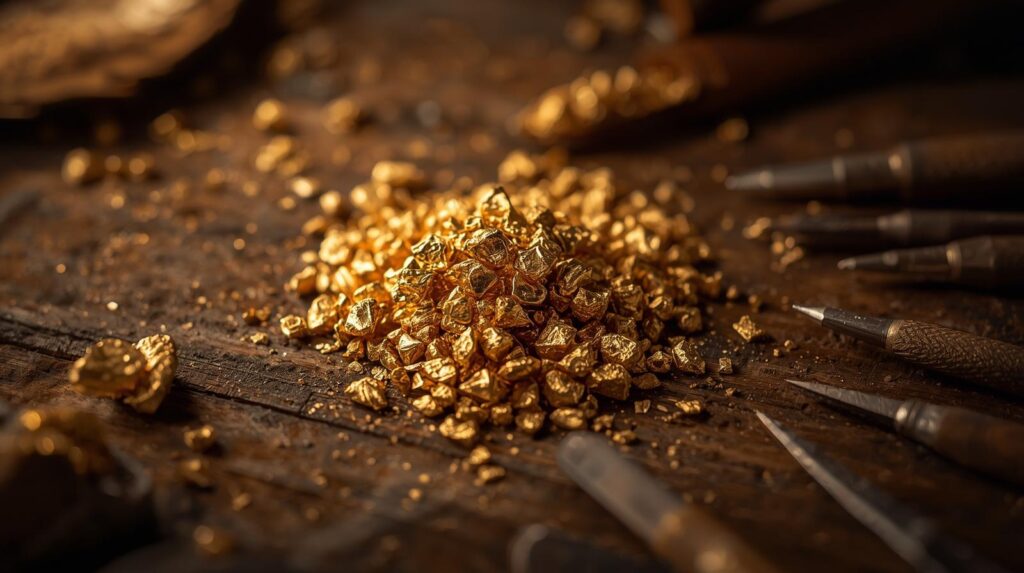
18kt Gold: Depth and Lustre
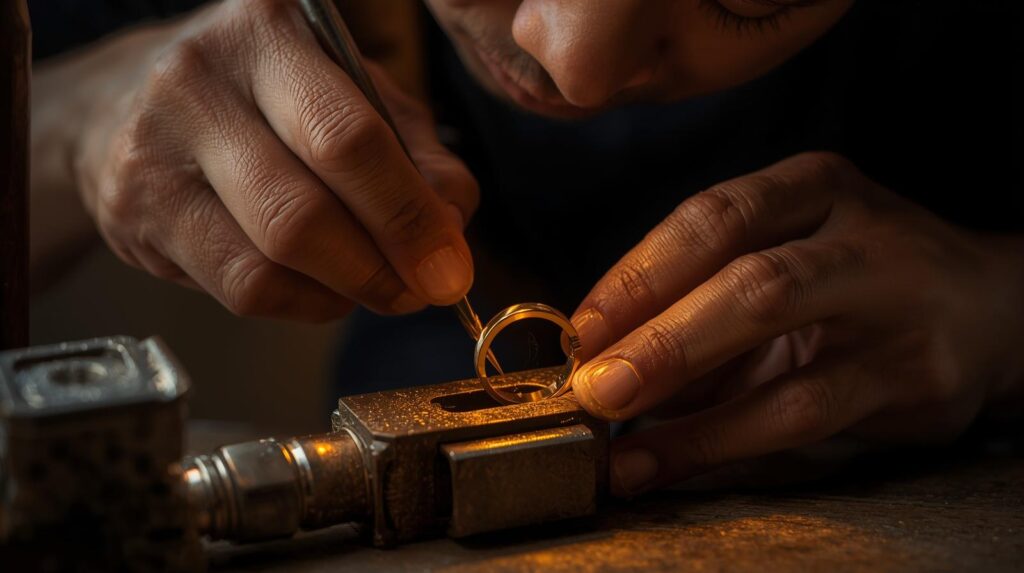
18kt gold is 75% pure gold, and you feel that difference immediately — in colour, weight, and presence. Technically, it’s softer than 9kt gold, which means it requires more thoughtful design to ensure longevity. But when done correctly, 18kt gold strikes a beautiful balance between luxury and wearability.
This is often the metal people choose when they seek classic luxury associated with fine jewellery. Engagements, milestones, self-celebration — moments where the piece isn’t just functional, but symbolic. The advantage of 18kt gold is its richness and intrinsic value. The benefit is how it feels — warm, expressive, and undeniably special without needing to shout.
Platinum: Quiet Confidence and Endurance
Platinum is a very different conversation.
Unlike gold, platinum is naturally white and extremely dense. When you choose platinum, you’re choosing a metal that doesn’t wear away in the same way gold does. Instead of losing material over time, it develops a soft patina that many people find deeply personal.
From a technical perspective, platinum alloys (typically 950) are strong, hypoallergenic, and ideal for securing gemstones and diamonds. From a lifestyle perspective, platinum is about peace of mind. It’s often chosen by people who don’t want to think about maintenance, replating, or long-term wear. The advantage is longevity. The benefit is trust — knowing the piece will endure as life happens around it.
So, Which One Is “Better”?
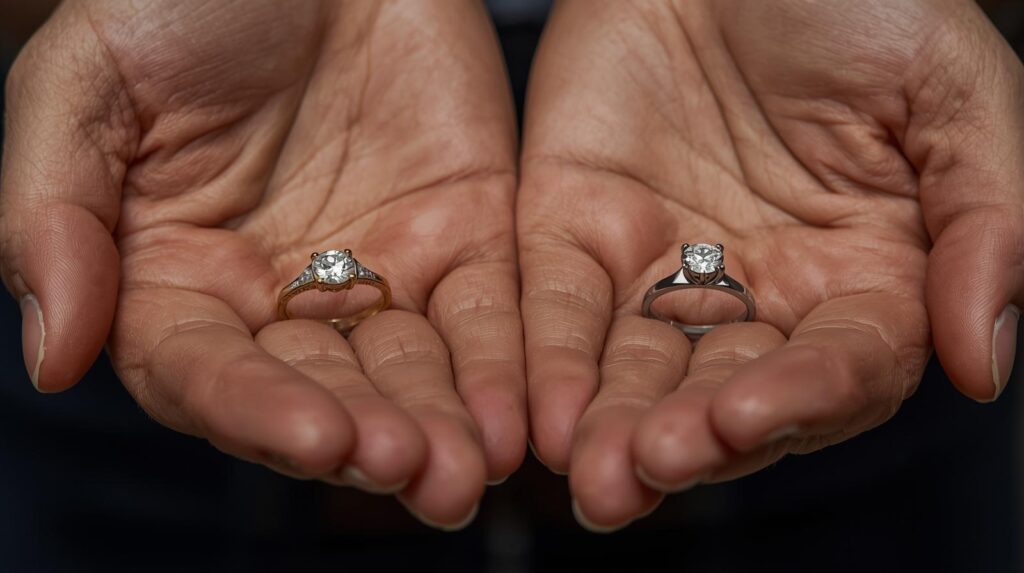
This is where I usually smile, because there isn’t a correct answer. 9kt gold is practical, resilient, and ideal for everyday life. 18kt gold is expressive and bold whereas Platinum is enduring, understated, and built for permanence.
The right metal isn’t about status or numbers. It’s about how you live, what the piece represents, and how you want it to age alongside you. My standpoint is to understand your lifestyle, your intentions, and how you want to wear your jewellery, the right metal usually becomes very clear. Your preferred metal should support your life, not complicate it. That’s the conversation that matters most.
Yours in luxury,
Magnus
GODEZA “Designed with passion. Distinctively yours.”

Hi, this is a comment.
To get started with moderating, editing, and deleting comments, please visit the Comments screen in the dashboard.
Commenter avatars come from Gravatar.